



Best Supplements for Tinnitus Relief: An Evidence-Based Comparison
If you've searched "best supplement for tinnitus relief" at 2 a.m. with the ringing in your ears making it hard to fall asleep, you already know the problem...
Read article →We broke down the ingredients, the real evidence behind the claims, and what buyers actually say — so you can decide if it's worth trying.
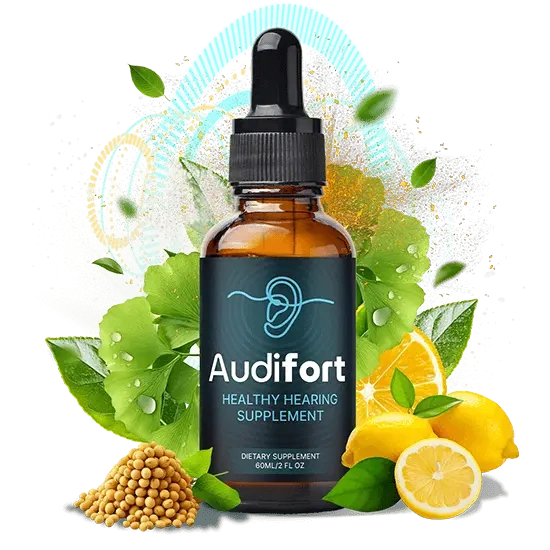
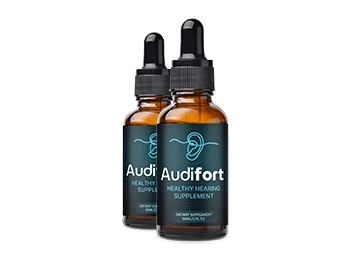
Audifort is a liquid ear-health supplement taken daily, either under the tongue or mixed into water. It's built around a blend of plant extracts, vitamins, and minerals that the maker says work together to support circulation to the inner ear and calm the kind of nerve overactivity associated with tinnitus.
It comes in a standard dropper bottle — about a one-month supply per bottle at the suggested daily serving — and is positioned mainly toward people noticing age-related changes in hearing clarity or dealing with ringing in the ears.
It's a dietary supplement, not a hearing aid or medication, so it isn't FDA-approved in the way a drug would be — that's normal for this entire product category, not unique to Audifort.
Audifort's label lists more than 20 ingredients in a proprietary blend. Here are the six core ingredients the brand highlights, with a closer look at the research behind each one's claimed function — including where the evidence is strong, where it's indirect, and where it's borrowed from a completely different field of research (energy, blood sugar, mood) rather than hearing specifically.
Audifort's label credits maca root with boosting energy. That's a fair summary of the existing research — maca is a Peruvian adaptogen with a reasonably solid human evidence base for fatigue, stamina, and mood, separate from any hearing claim.
A randomized trial in adults living at altitude found 3 grams of maca daily for 12 weeks improved self-reported mood and energy scores versus placebo, and a 2022 Japanese trial using a lower-dose extract reported reduced daily fatigue in adult women after four weeks. There's no published research connecting maca to tinnitus or hearing function specifically — its role here appears to be general energy support rather than an ear-targeted ingredient.
Audifort markets grape seed as an antioxidant that protects the ear, via its proanthocyanidin (OPC) content. The general antioxidant mechanism is well established — grape seed extract is one of the more potent natural sources of polyphenols studied for protecting cells from oxidative stress.
The ear-specific link is thinner. Animal and cell studies have shown grape-seed polyphenols can help prevent cochlear hair cell damage after noise exposure, and a small clinical formula study combining alpha-lipoic acid with a low dose of grape seed extract found a reduction in perceived tinnitus loudness — though that trial used multiple antioxidants together, so grape seed's individual contribution isn't isolated. No standalone human trial of grape seed extract for tinnitus or hearing currently exists.
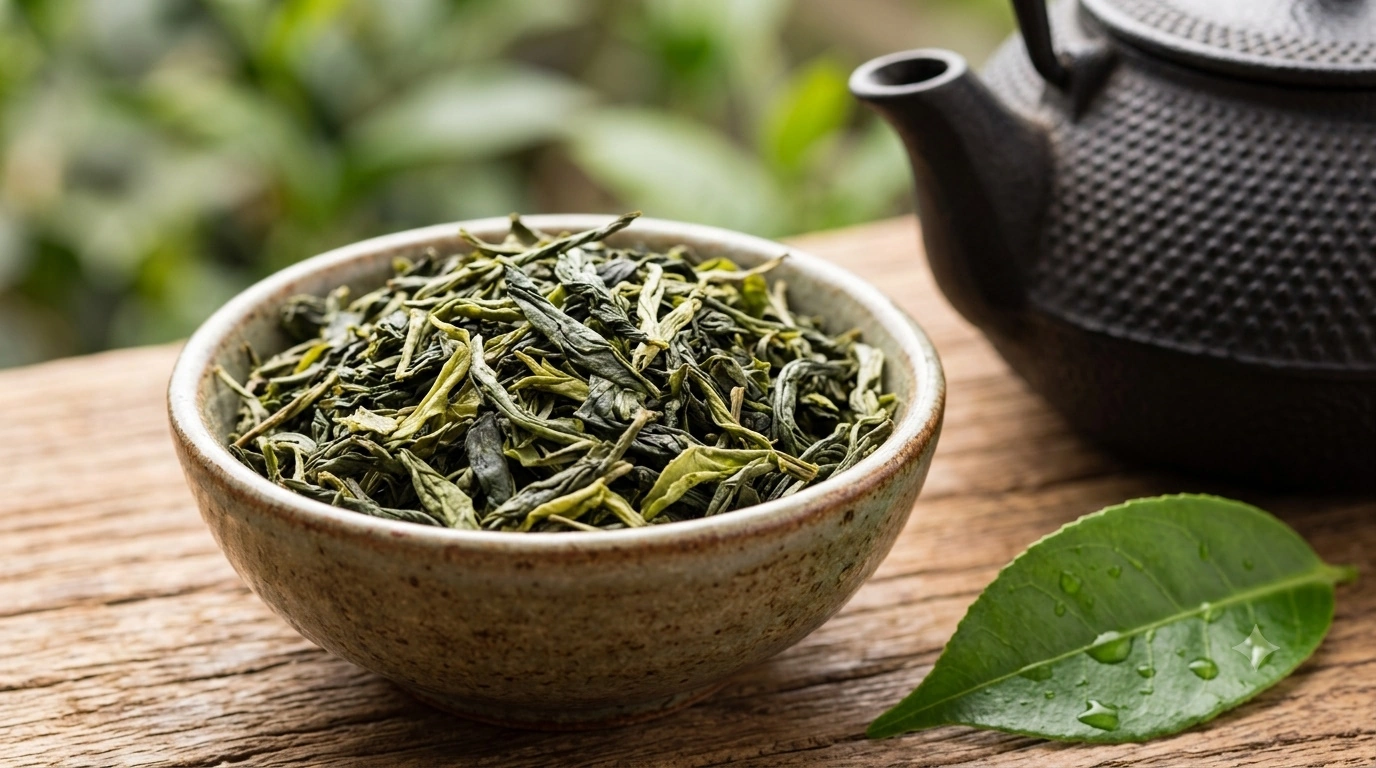
Audifort credits green tea with improving blood flow to the ears. Green tea's catechins, especially EGCG, are among the most potent natural antioxidants studied, with documented free-radical-scavenging activity well beyond Vitamin C.
The ear-specific research here is real but earlier-stage: it's currently limited to cell and animal studies, not human clinical trials. Lab research has shown EGCG protects cochlear hair cells from damage caused by ototoxic drugs, and a mouse study found long-term green tea extract supplementation was associated with better hearing outcomes than controls. Promising mechanistic groundwork — but it hasn't been tested in people with tinnitus or hearing loss specifically, and the "improves blood flow to the ears" framing on the label is more mechanism-theory than a proven clinical effect.
Audifort says capsicum annuum (the source of capsaicin, found in chili peppers) supports a healthy inflammatory response. This part is genuinely well-documented: capsaicin's vasodilatory effect — widening blood vessels via the TRPV1 receptor — has been studied since the 1970s and is one of the more reproducible findings in this entire ingredient list, alongside solid evidence for its anti-inflammatory and antioxidant activity.
What's not established is whether that circulatory effect meaningfully reaches the cochlea when taken as a small dose inside a multi-ingredient capsule, since the inner ear's blood supply is unusually isolated. The vasodilation research is real and the inflammatory-response claim is reasonably supported in general — it just hasn't been tested for hearing outcomes specifically.
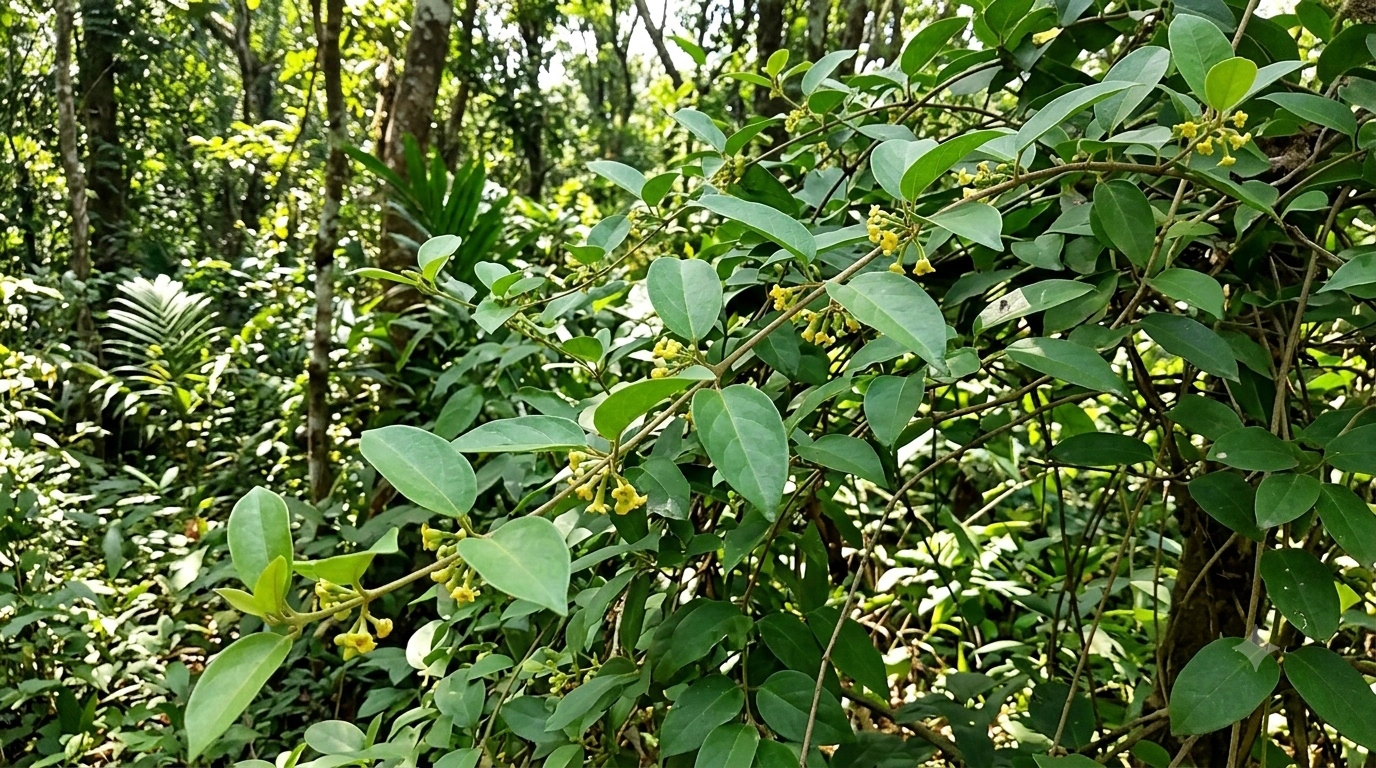
This is the ingredient on the label with the weakest connection to its stated purpose. Audifort markets gymnema sylvestre as supporting hearing and nerve signal transmission. In the actual research literature, gymnema's well-established use case is almost entirely different: it's studied for blood sugar control and reducing sugar cravings (via gymnemic acid blocking sweet-taste receptors), plus some anti-inflammatory and immunomodulatory findings in animal and lab models.
We found no published human or animal study linking gymnema sylvestre to hearing, tinnitus, or auditory nerve function. That doesn't necessarily mean it does nothing for the ear, but the "supports hearing" framing on supplement marketing pages appears to be inference rather than something tested in a study — worth knowing if this ingredient is part of your decision.
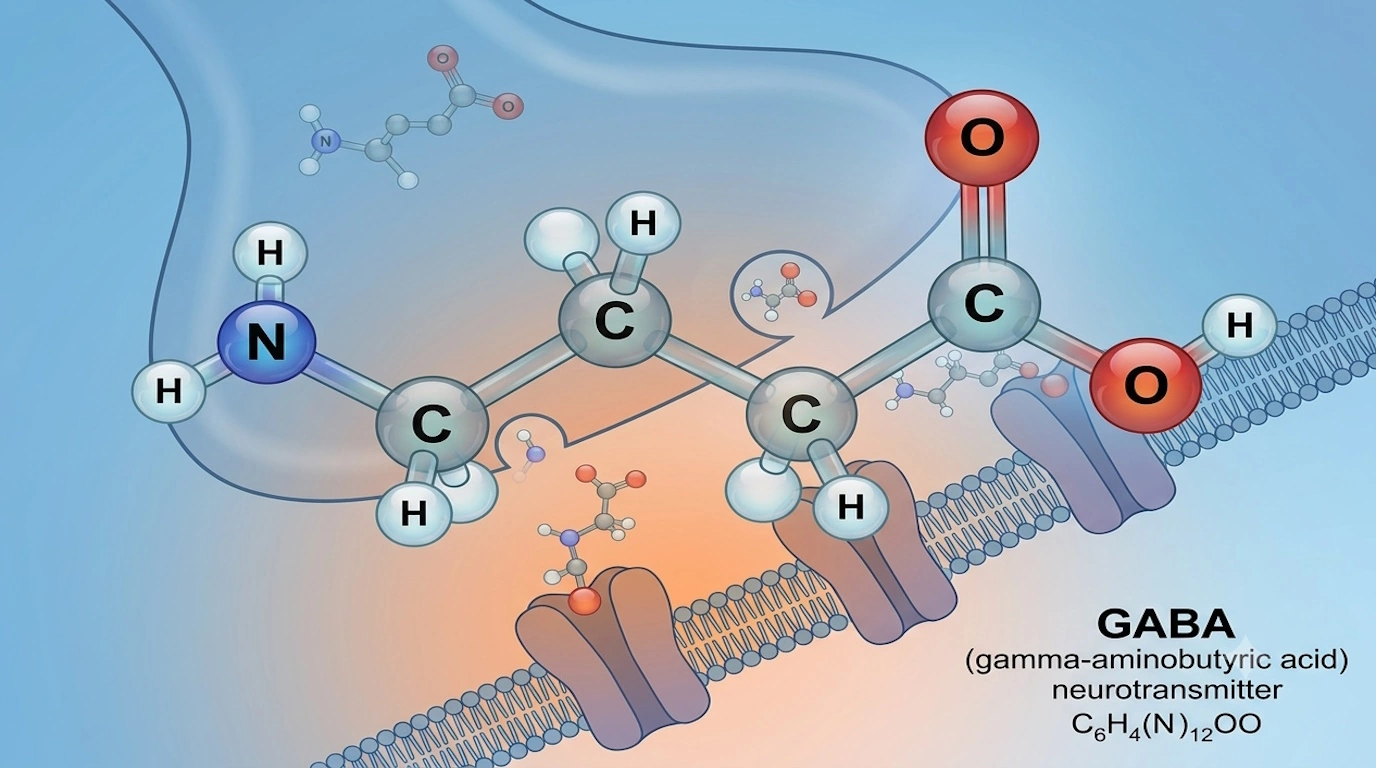
Audifort lists GABA (gamma-aminobutyric acid) for relaxation and anxiety relief. This is the most human-evidence-backed ingredient on the list for its stated purpose: GABA is the brain's primary inhibitory neurotransmitter, and placebo-controlled human trials have shown oral GABA can increase calming alpha brain waves and reduce stress markers within about an hour of dosing.
A 2020 systematic review of oral GABA trials for stress and sleep found the overall evidence directionally positive but mixed in strength across studies due to varying doses and methods. The relaxation/anxiety claim is reasonably grounded — what isn't established is GABA's effect on tinnitus perception itself, since "calmer nervous system" and "quieter ringing" aren't the same outcome, even though some marketing connects them.
Because this is a proprietary blend, the label doesn't disclose the exact milligram amount of each ingredient — that's standard in this category, but it does mean no one outside the manufacturer can verify the doses match what's used in the published research linked above. Worth knowing, not a dealbreaker on its own. As a general rule: the strength of evidence above reflects the ingredient in isolation, often at clinical-trial doses — not a guarantee about how it performs inside Audifort's specific blend.
Our 4.1/5 editorial score weighs four factors. We're not a lab — this reflects formula transparency, manufacturing standards, buyer protection, and value, not a clinical effectiveness rating.
This is the question most people land on this page to answer. Honest version: many users report gradual improvement in perceived ringing over several weeks of consistent use, which lines up with how the ingredients are thought to work (improving circulation, reducing oxidative stress). What doesn't exist yet is an independent clinical trial of the Audifort formula itself proving that effect — so treat user-reported results as encouraging, not guaranteed.
Yes — Audifort is a real, traceable product with an identifiable manufacturer and a 60-day refund policy, which is a meaningfully different situation from an anonymous drop-shipped scam. That said, its popularity has spawned several copycat domains using near-identical names. Buy from a source you can verify:
Most users tolerate Audifort without issue — occasional mild stomach upset is the most commonly reported reaction. A few groups should talk to a doctor before starting:
Take diabetes medication — Gymnema sylvestre can lower blood sugar, which may compound with insulin or other glucose-lowering drugs.
Have a hormone-sensitive condition — maca root may have mild hormonal effects, so it's worth a check if you're pregnant, nursing, or managing a hormone-sensitive condition.
Take sedatives or blood pressure medication — GABA and capsicum annuum can each have mild relaxant or blood-flow effects that may add up with existing prescriptions.
Audifort isn't the only liquid hearing-support supplement on the market, and if you're comparing options, here's how it lines up against three others buyers commonly search alongside it. This is a summary based on publicly listed formulas and pricing — not a lab comparison.
| Product | Format | Core ingredients | Price range | Guarantee |
|---|---|---|---|---|
| AudifortThis page | Liquid drops | Maca root, grape seed, green tea, capsicum annuum, gymnema sylvestre, GABA | $49–$79 /bottle | 60-day |
| ZenCortex | Liquid drops | ~20-ingredient blend overlapping on maca root, grape seed, green tea, gymnema sylvestre, capsicum — plus ginkgo biloba and panax ginseng for a heavier cognitive-support angle | $49–$69 /bottle | 60-day |
| Tinnitrol | Sublingual spray | Alpha-GPC, L-arginine, mucuna pruriens (L-dopa source), GABA, moomiyo (shilajit), L-tyrosine — leans more cognitive/neurotransmitter-focused than ear-circulation-focused | $49–$179 /bottle | 90-day |
| EchoXen | Liquid drops | 18-ingredient blend built around mucuna pruriens, ashwagandha, maca root, epimedium, ginger, dong quai, and L-arginine — a stress/adaptogen-heavy formula | $49–$69 /bottle | 60-day (varies by seller) |
| Quietum Plus | Capsules | 18-ingredient blend built around mucuna pruriens, maca root, ashwagandha, muira puama, ginger and Mexican yam — positioned around repairing the ear-to-brain nerve connection rather than ear circulation | $49–$69 /bottle | 60-day |
None of these four products has a published clinical trial of its finished formula — the evidence for each rests on research into individual ingredients, not the blend as a whole, same as covered above for Audifort. All four also have multiple lookalike or reseller domains in circulation, so whichever one you choose, verify you're on an official checkout page before entering payment details. Pricing above reflects amounts commonly listed by each manufacturer at time of writing and fluctuates with ongoing promotions.
Multi-bottle bundles bring the per-bottle price down noticeably and are the most common way reviewers say they tried it long enough to judge results.
Pricing reflects amounts commonly listed by the manufacturer at time of writing and can change — confirm current pricing on the official checkout page before ordering.
More background reading on tinnitus, hearing health, and how to evaluate supplements like this one.
If you've searched "best supplement for tinnitus relief" at 2 a.m. with the ringing in your ears making it hard to fall asleep, you already know the problem...
Read article →
A side-by-side look at the actual clinical research on zinc and magnesium for tinnitus, including dosage ranges, supplement forms, and safety considerations.
Read article →
Ginkgo is one of the most-studied herbal remedies for tinnitus — and one of the most contested. Here's what the trials actually found, plus dosage ranges and safety considerations.
Read article →
From foam and high-fidelity plugs to custom options — see when earplugs help, when they can backfire, and how to choose the right pair.
Read article →
Real-world reviews, ingredient breakdowns, safety concerns, and expert guidance on whether ear drops can actually ease ringing.
Read article →
Affordable tools, sound therapy options, hearing protection, and supplement picks — what works, what doesn't, and how to choose safely.
Read article →
Safe listening, noise protection, healthy routines, and when it's time to get your hearing checked.
Read article →
How loud sound damages hearing, the symptoms to watch for, and the prevention and treatment options that actually work.
Read article →Backed by a 60-day money-back guarantee — if it's not for you, you're not out the cost.
See Bundle Pricing →