Noise-Induced Hearing Loss: What It Is and How to Prevent It
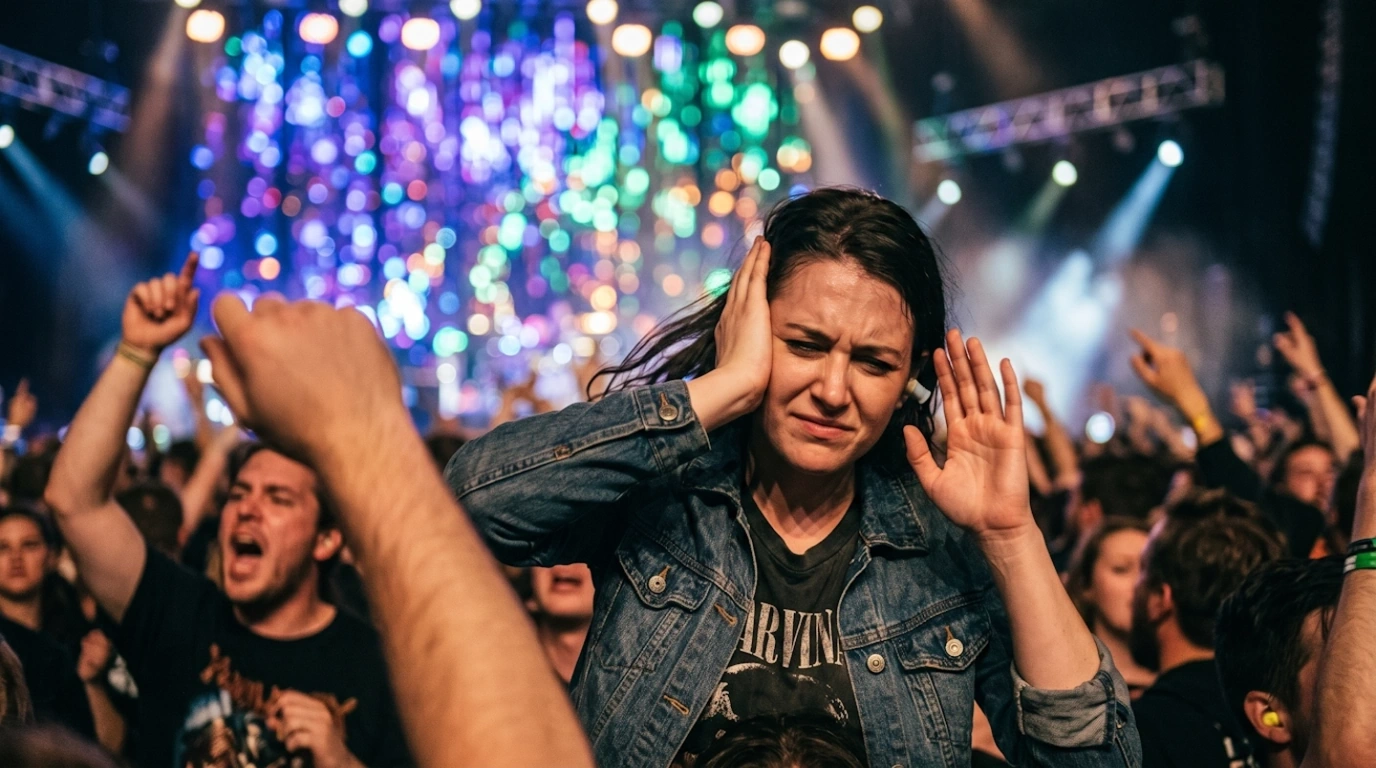
Ringing ears after a concert. Turning the TV up a little louder each year. Asking someone to repeat themselves in a noisy restaurant. These moments are common enough that most people brush past them — but they're also some of the earliest signals of noise-induced hearing loss, one of the few types of hearing damage that's almost entirely preventable. This guide walks through what actually happens inside the ear when sound is too loud, the warning signs worth taking seriously, who's most at risk, and the prevention and treatment options that make the biggest difference.
Understanding Noise-Induced Hearing Loss
Noise-induced hearing loss, often shortened to NIHL, is hearing damage caused by sound that's too loud, too long-lasting, or both. It's one of the most common causes of hearing damage worldwide, and unlike age-related hearing decline, it's largely self-inflicted through everyday exposure — concerts, power tools, traffic, headphones — rather than something that simply happens with time. According to U.S. federal health data, tens of millions of American adults under 70 show hearing-test patterns consistent with noise-related damage, and a meaningful share of people who rate their own hearing as good already have measurable damage in one or both ears.
What makes NIHL worth understanding, rather than shrugging off, is the combination of how common it is and how preventable it is. Once hair cells in the inner ear are destroyed, they don't regenerate in humans, so hearing loss from noise is typically permanent. But nearly every case traces back to identifiable, controllable exposure — which means the majority of noise-induced hearing loss is avoidable with a handful of consistent habits, not expensive equipment or medical intervention.
How Loud Noise Damages Hearing
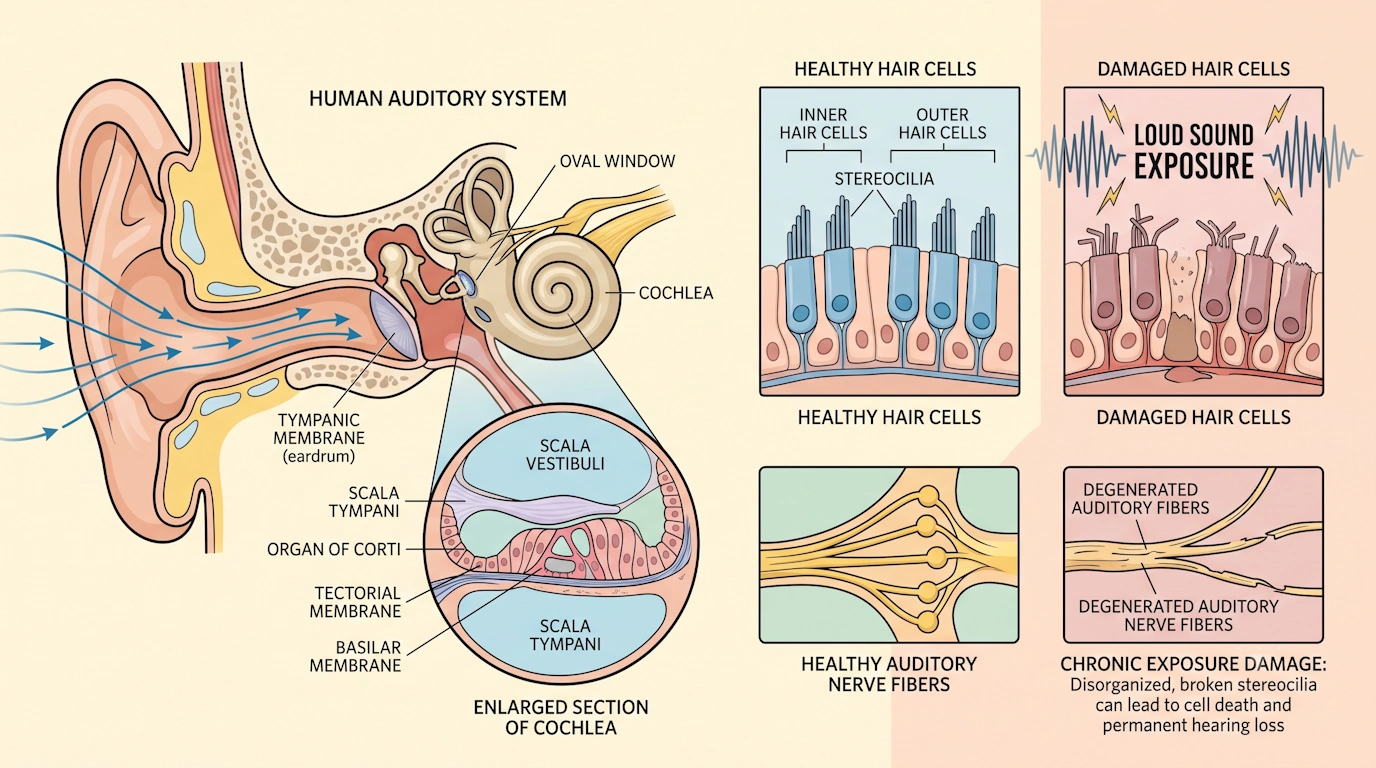
Sound travels into the ear canal, vibrates the eardrum, and passes through three tiny middle-ear bones before reaching the cochlea — a fluid-filled, snail-shaped structure in the inner ear lined with thousands of microscopic hair cells. These hair cells convert physical vibration into the electrical signals your brain interprets as sound. They're remarkably sensitive, and that sensitivity is exactly what makes them vulnerable: sound that's loud enough, or loud enough for long enough, can bend, fatigue, or outright destroy them.
Once hair cells are destroyed, the damage doesn't heal. Humans don't regrow cochlear hair cells the way some other animals do, so the hearing loss tied to their destruction is permanent. Nerve fibers connecting the cochlea to the brain can also be damaged by sustained loud exposure even before hair cell loss becomes measurable on a standard hearing test — a phenomenon researchers sometimes call "hidden hearing loss," which may explain why some people struggle to follow speech in noisy rooms years before an audiogram shows an obvious problem.
Temporary vs. Permanent Damage
Not every instance of noise exposure causes lasting harm. A short burst of muffled hearing or ringing after a loud event — a concert, a fireworks show, a night at a club — is usually a temporary threshold shift. The ear's hair cells are fatigued rather than destroyed, and hearing typically returns to baseline within a day or two of quiet rest. The problem is that repeated temporary threshold shifts, especially without enough recovery time between them, gradually accumulate into a permanent threshold shift — lasting hearing loss that doesn't reverse. Each recovered episode isn't necessarily "free"; it can represent cumulative wear that eventually crosses into permanent territory, which is part of why hearing specialists treat repeated ringing after loud events as a warning sign rather than a harmless quirk.
Common Noise Sources
Noise-induced hearing loss can come from a single extremely loud event or from years of moderate, repeated exposure. Common sources include:
- Concerts and live music venues, which frequently exceed 100 decibels near the stage or speakers
- Personal headphones and earbuds, especially at high volume during commutes or workouts where background noise tempts people to turn the volume up further
- Power tools and yard equipment like table saws, leaf blowers, and chainsaws
- Industrial and construction machinery, a leading cause of occupational hearing loss
- Firearms, which produce an instantaneous impulse sound loud enough to cause permanent damage from a single shot without hearing protection
- Traffic and urban noise, which is rarely loud enough on its own to cause immediate damage but adds to a person's cumulative daily exposure
Signs and Symptoms of Noise-Induced Hearing Loss
NIHL doesn't usually announce itself with pain. Instead, it tends to show up as a collection of small, easy-to-rationalize changes: sounds seeming muffled or distant, needing the TV volume a notch or two higher than you used to, frequently asking people to repeat themselves, and finding it noticeably harder to follow conversation in a noisy restaurant or group setting — often described as feeling like everyone else has started mumbling. Sound sensitivity can also increase in some people, making certain noises feel unusually sharp or uncomfortable even as overall hearing sensitivity declines.
Early Warning Signs
The earliest signs are often the ones people dismiss. A brief ringing after a loud event, a TV volume creeping upward over months, or trouble picking out a single voice in a crowd are easy to explain away individually. Taken together, though, they're a pattern worth paying attention to — noise damage typically starts at higher frequencies before it becomes obvious in everyday speech, which is why consonant sounds (which carry a lot of speech clarity) tend to blur before someone notices an overall "volume" problem.
When Tinnitus Appears
Tinnitus — ringing, buzzing, hissing, or humming in the ears with no external source — is one of the most common early companions of noise-induced hearing loss. It often shows up first as a temporary ring after a specific loud event and, in some people, becomes more persistent as cumulative noise damage builds. Tinnitus and hearing loss frequently occur together because they share the same root cause: damage to the same hair cells and auditory nerve pathways. Persistent tinnitus, especially when it follows a pattern of loud noise exposure, is worth treating as a signal to get a hearing evaluation rather than something to just tune out.
Who Is at Higher Risk
Anyone can develop noise-induced hearing loss, but certain groups face meaningfully higher exposure. Musicians and audio engineers spend hours near amplified sound, often at close range. Factory and construction workers, along with anyone in industrial settings, face sustained workplace noise that regulatory agencies specifically monitor because of its documented risk. Military personnel and veterans face some of the highest rates of NIHL and tinnitus of any occupational group, largely due to weapons fire and heavy equipment. Hunters and recreational shooters face a similar risk from repeated impulse noise, frequently without hearing protection. Frequent commuters who rely on headphones to block out train or traffic noise, and anyone who regularly attends concerts or loud venues, round out the higher-risk categories.
Everyday Habits That Raise Risk
Beyond occupation and hobbies, a handful of everyday habits quietly raise cumulative risk: listening to headphones or earbuds at high volume, especially to compensate for background noise rather than using noise-cancelling features; long uninterrupted listening sessions with no volume breaks; skipping hearing protection at loud events because it feels unnecessary in the moment; and living or working in consistently noisy environments without ever having exposure levels checked. None of these habits cause obvious symptoms right away, which is precisely why they tend to continue unaddressed for years.
How It Is Diagnosed
Hearing loss from noise exposure is diagnosed through a combination of a case history — asking about occupational and recreational noise exposure — and objective hearing tests. The core test is an audiogram, which measures the quietest sound a person can hear at a range of frequencies in each ear. Noise-induced hearing loss often produces a distinctive pattern on an audiogram called a "noise notch," typically centered around 3,000 to 6,000 Hz, where high-frequency hearing has dropped more than the surrounding frequencies. Audiologists may also use speech-in-noise testing, which measures how well someone understands speech against background noise — a more real-world measure than a quiet-room hearing test alone, and often the first place noise-related damage becomes noticeable even when overall hearing thresholds still look close to normal.
When to See an Audiologist or Doctor
Sudden hearing loss — especially in one ear, which some clinicians treat as a time-sensitive situation warranting prompt evaluation.
One-sided hearing changes — asymmetric hearing loss or tinnitus is worth ruling out beyond typical noise exposure, since it doesn't fit the usual bilateral pattern of NIHL.
Persistent tinnitus — ringing that doesn't fade within a day or two after a loud event, or that shows up with no clear trigger at all.
Ongoing trouble in noisy environments — if conversations in restaurants or groups have become a consistent struggle rather than an occasional annoyance.
Prevention Strategies That Work
Prevention is where noise-induced hearing loss differs from most other causes of hearing decline: the tools that work are simple, inexpensive, and almost entirely within a person's control. The U.S. National Institute for Occupational Safety and Health (NIOSH) treats hearing loss from noise exposure as "100% preventable," a description it doesn't apply loosely, and it reflects how directly controllable the main risk factor — exposure — actually is.
Safe Listening Tips
For personal audio devices, a widely referenced rule of thumb is the 60/60 guideline: keep the volume at or below 60% of maximum and limit continuous listening sessions to around 60 minutes before taking a break. A more practical, situation-independent test is whether you could comfortably hold a conversation with someone next to you without raising your voice — if not, the volume (or the environment) is likely in hazardous territory. Noise-cancelling headphones can meaningfully reduce the temptation to crank up the volume to overcome background noise, since they remove the need to compete with that noise in the first place.
Best Hearing Protection Options
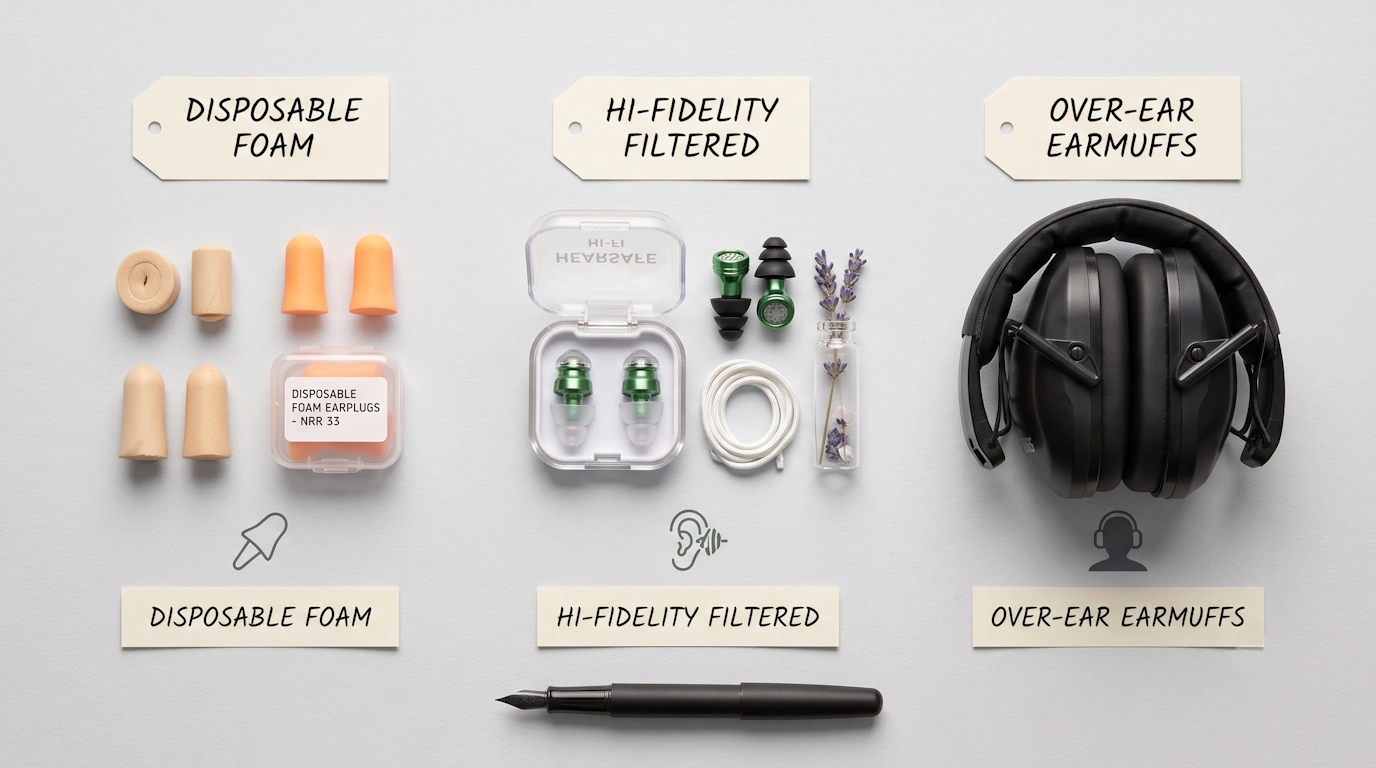
Low cost, high protective valueFor loud environments you can't avoid, hearing protection is the single highest-leverage tool available. Foam earplugs are inexpensive, widely available, and effective for power tools, yard equipment, and other high-decibel work, though they dampen sound quality along with volume. High-fidelity earplugs use a filtered attenuation design that lowers volume more evenly across frequencies, preserving sound clarity — a meaningful advantage at concerts or live music venues, since people are more likely to actually keep them in for an entire event when sound quality doesn't suffer. Earmuffs sit over the entire outer ear and generally offer strong, consistent protection for very loud or sustained industrial and workshop noise, and can be combined with earplugs for especially hazardous environments. Custom-molded earplugs, fitted to an individual's ear canal, offer the most comfortable and consistent long-term fit for musicians, frequent concertgoers, or anyone using protection daily, though at a higher upfront cost than foam or generic high-fidelity options.
How to Choose the Right Protection
The right choice depends less on brand and more on fit, noise reduction rating, and the setting you'll actually use it in. A pair that fits poorly provides far less real-world protection than its labeled noise reduction rating suggests, regardless of how good that rating looks on the package. For loud but infrequent exposure — a single concert, occasional yard work — a disposable foam or generic high-fidelity option is usually enough. For frequent or daily exposure, especially in a professional or musical setting, investing in a properly fitted custom option tends to pay off both in comfort and in how consistently it actually gets worn.
Treatment and Management Options
Once hearing loss from noise exposure has occurred, treatment shifts from prevention to management, since there is currently no established medical treatment that regenerates destroyed cochlear hair cells or reverses permanent noise-induced hearing loss. That reality shapes what "treatment" actually looks like for most people: hearing aids, assistive listening devices, communication strategies, and — where tinnitus is part of the picture — sound-based coping tools.
What Happens If the Loss Is Permanent
Permanent noise-induced hearing loss is managed rather than cured. Modern hearing aids can amplify and shape sound to compensate for the specific frequencies affected, which for many people with a typical noise-notch pattern restores a substantial amount of everyday speech clarity. Assistive listening devices — captioned phones, TV streaming accessories, and classroom or meeting-room amplification systems — can fill in gaps hearing aids don't fully cover, particularly in noisy or distant-source situations. Realistic expectations matter here: hearing aids improve access to sound, but they don't restore hearing to its original, undamaged state, and outcomes vary based on how much damage has occurred and how well the aids are fitted.
Tinnitus Support After Noise Damage
When tinnitus persists after noise exposure, the most consistently recommended management tools are sound therapy — using background noise to reduce the contrast between silence and ringing — along with counseling-based approaches that help reduce the emotional distress tinnitus can cause, even when the underlying sound itself doesn't change. These approaches don't eliminate tinnitus for most people, but they can meaningfully reduce how intrusive it feels day to day, which is often the more practical and achievable goal.
Recovery After Loud Noise Exposure
What you do in the hours and days right after a loud event can matter. If you notice ringing or muffled hearing after a concert, a loud shift at work, or an unexpected burst of noise like fireworks, giving your ears a genuine break from further loud sound — ideally 24 to 48 hours of relative quiet — gives a temporary threshold shift its best chance to fully resolve rather than compound with the next exposure. Avoid stacking another loud event on top of an ear that hasn't recovered yet, since that's exactly the pattern that turns temporary shifts into permanent ones over time.
If hearing doesn't return to normal within a couple of days, if the ringing is unusually loud or persistent, or if it's accompanied by dizziness or pain, that's the point to move from "wait and see" to a hearing evaluation. Sudden, severe hearing loss — particularly in one ear — deserves prompt medical attention rather than a wait-and-see approach, since some underlying causes are time-sensitive.
Comparison Table — Prevention vs. Treatment Options
| Option | Category | Best Use Case | What It Can and Can't Do |
|---|---|---|---|
| Foam or high-fidelity earplugs | Prevention | Concerts, power tools, loud recreational events | Reduces exposure in the moment; can't repair existing damage |
| Earmuffs / custom-molded protection | Prevention | Industrial, workshop, or daily professional exposure | Strong, consistent protection with proper fit; prevention only |
| Volume limits & listening breaks | Prevention | Headphone and earbud use, commuting, workouts | Lowers cumulative daily exposure; requires consistent habit |
| Audiogram / hearing evaluation | Diagnosis | Tracking changes, confirming a noise-notch pattern | Identifies existing damage; doesn't prevent or reverse it |
| Hearing aids | Treatment | Permanent hearing loss affecting daily communication | Improves access to sound; doesn't restore original hearing |
| Sound therapy for tinnitus | Treatment / management | Persistent ringing following noise damage | Reduces distress and noticeability; doesn't eliminate tinnitus |
Where this leaves things: everything in the prevention rows is inexpensive, low-risk, and effective at stopping new damage before it happens. Everything in the treatment rows manages existing damage reasonably well but doesn't reverse it — which is the central reason prevention carries so much more weight in this particular condition than it does in many others.
Frequently Asked Questions
What is noise-induced hearing loss?+
Can noise-induced hearing loss be reversed?+
What are the first signs of hearing damage from noise?+
How loud is too loud for hearing?+
What is the best way to prevent hearing loss from headphones?+
Should I see a doctor after sudden hearing loss or ringing?+
Final Takeaway
Noise-induced hearing loss sits in a small category of health problems that are genuinely, almost entirely preventable — and yet remain one of the most common forms of hearing damage, precisely because the exposure that causes it rarely feels dangerous in the moment. The most effective strategy isn't a product or a treatment; it's a habit: lower the volume, protect your ears in loud environments, and give your hearing time to recover after unavoidable exposure. Early detection matters too — a hearing evaluation at the first sign of persistent ringing or muffled hearing can catch a noise-notch pattern before it progresses, and prompt evaluation after sudden or one-sided changes can meaningfully affect the outcome. None of it requires expensive equipment, just consistency.
If tinnitus or gradual hearing changes are already part of your day-to-day experience, pairing consistent sound therapy and hearing protection with a broader hearing-support routine is a reasonable next step — see our full Audifort ingredient breakdown if you're weighing an oral supplement as part of that routine, and our budget tinnitus relief kit guide for a low-cost starting point on the sound-and-protection side.
Curious What's Inside a Broader Ear-Health Formula?
See Audifort's full ingredient-by-ingredient evidence breakdown and current bundle pricing, backed by a 60-day money-back guarantee.
Check Audifort Pricing →Affiliate link — we may earn a commission at no extra cost to you.
For a full look at oral supplement ingredients and evidence strength, see our ingredient breakdown on the Audifort review homepage.
Sources & References
This article draws on the following clinical guidance, government resources, and published research. We link directly to each source so you can read the original material rather than take our summary on faith.
- "Noise-Induced Hearing Loss (NIHL)." National Institute on Deafness and Other Communication Disorders (NIDCD), National Institutes of Health. nidcd.nih.gov
- "How Loud Is Too Loud?" NIDCD, National Institutes of Health. nidcd.nih.gov
- "How Does Noise Damage Your Hearing?" NIDCD, National Institutes of Health. nidcd.nih.gov
- "Understanding Noise Exposure Limits: Occupational vs. General Environmental Noise." NIOSH Science Bulletin, Centers for Disease Control and Prevention. cdc.gov
- "Noise and Hearing Loss." National Institute for Occupational Safety and Health (NIOSH), CDC. cdc.gov
- "Occupational Noise Exposure — Overview." Occupational Safety and Health Administration (OSHA). osha.gov
- "Noise-Induced Hearing Loss: Overview and Future Prospects for Research on Oxidative Stress." PMC, National Library of Medicine. ncbi.nlm.nih.gov
- "Sound Therapy and Tinnitus." American Tinnitus Association. ata.org
Decibel thresholds and exposure-time figures reflect current NIOSH and OSHA occupational guidance at time of writing; recreational and environmental noise carries the same underlying risk even though these specific limits are written for workplace settings.