Tinnitus Relief Drops for Elderly Reviews: Safe Options and Real Results
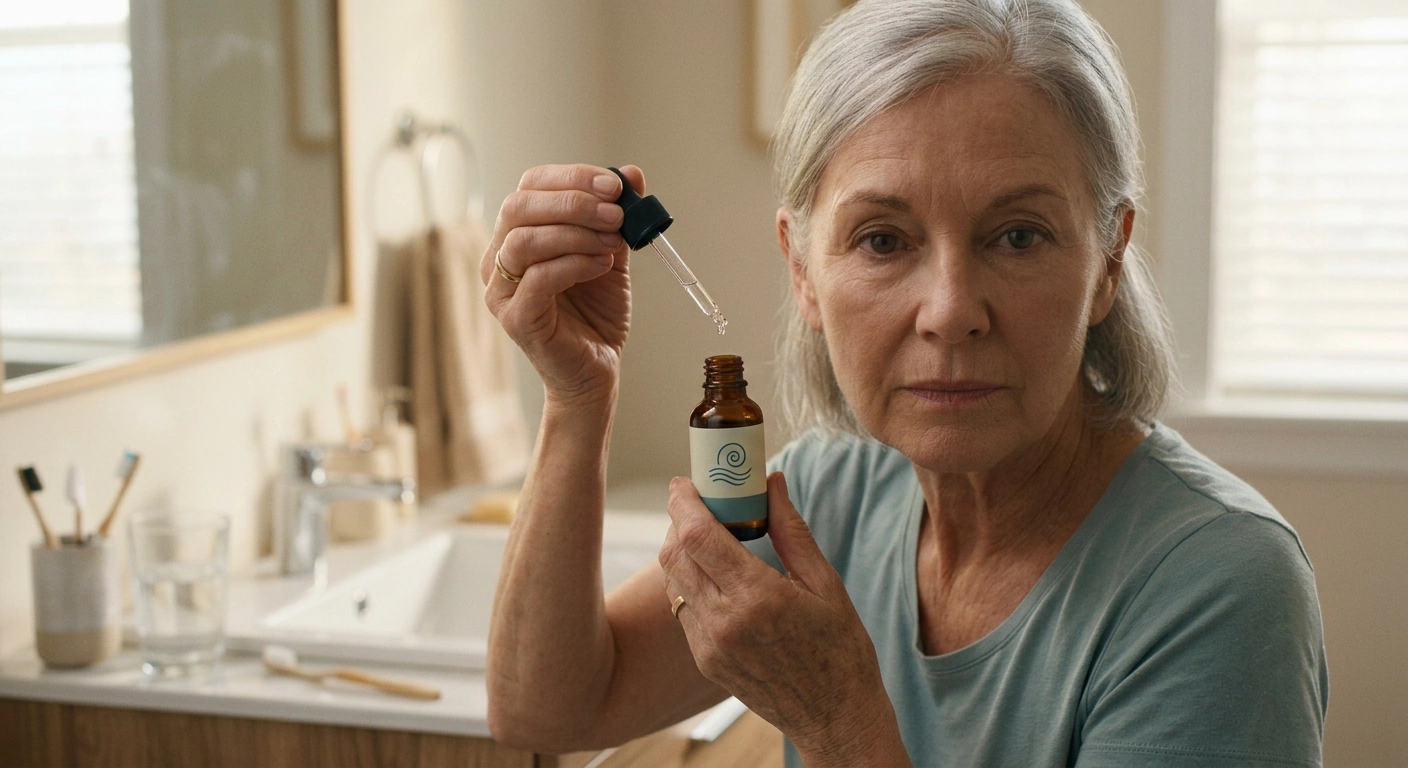
If you've searched "tinnitus relief drops for elderly reviews," you're probably trying to sort real feedback from marketing before you spend money on something you'll drip into an aging, sensitive ear. That's a reasonable instinct. Ear drops are heavily marketed to older adults with ringing in the ears, and the reviews are genuinely mixed — some people report real relief, others notice nothing, and the difference usually comes down to what's actually causing the tinnitus in the first place. Here's what customer reviews consistently show, what the ingredients can and can't do, and how to use these products safely if you decide to try one.
Can Ear Drops Help Tinnitus in Older Adults?
Tinnitus — the perception of ringing, buzzing, hissing, or roaring with no outside sound source — becomes more common with age, and it's often tangled up with the hearing changes that come with getting older. So it's no surprise that "tinnitus relief drops for elderly" is a heavily searched phrase: drops feel like a low-effort, low-commitment way to try something before booking an appointment.
There's a common misconception baked into that search, though. Ear drops are applied to the ear canal and eardrum from the outside. Tinnitus, in the large majority of cases — especially in older adults — originates from the inner ear or the auditory nerve pathway, structures a topical drop simply cannot reach. That doesn't mean drops are useless. It means their usefulness depends entirely on what's actually causing the ringing, which is the question this article is really about.
Quick Verdict — What Reviews Usually Show
Across customer reviews and clinical sources, tinnitus relief drops tend to help in one specific scenario: when the tinnitus is caused or worsened by earwax buildup, dryness, or irritation in the outer ear canal. In that case, softening or clearing the wax can genuinely reduce or resolve the ringing. When tinnitus stems from age-related hearing loss, noise damage, or a nerve-related cause — which is the more common picture in older adults — reviews consistently describe no change, even after weeks of consistent use.
That's not a marketing failure so much as a mismatch between what the product can physically do and what many buyers hope it will do. Knowing which category you're likely in before you buy is the single most useful thing this article can offer.
How Tinnitus Relief Drops Are Marketed
Search for "tinnitus relief drops" and you'll find product pages built around phrases like "supports healthy hearing," "soothes ear discomfort," or "targets the root cause of ringing." Some of that language is careful — "supports" and "soothes" are vague enough to avoid a direct medical claim. Some of it leans harder, implying the drops address tinnitus itself rather than the ear canal conditions that can sometimes accompany it. The gap between how these products are described and what a topical drop can mechanically accomplish is where most of the disappointment in reviews comes from.
Common Ingredients in These Drops
Most tinnitus-marketed ear drops fall into a few overlapping categories: plant-derived oils and extracts (garlic oil, mullein, tea tree, calendula), glycerin or mineral oil as a wax-softening base, herbal anti-inflammatory blends, and occasionally homeopathic dilutions of substances like arnica or hypericum. Some products marketed specifically for wax combine these with an active cerumenolytic agent such as carbamide peroxide, which has an actual, well-documented mechanism for breaking down earwax.
What Those Ingredients Are Supposed to Do
Oil-based and glycerin-based drops are meant to soften wax and moisturize a dry, irritated ear canal — a real and achievable effect. Herbal anti-inflammatory ingredients are marketed as calming irritation or "supporting" ear health, language that's intentionally short of a treatment claim. None of these mechanisms — softening wax, moisturizing skin, mild anti-inflammatory action at the ear canal surface — has a plausible pathway to reduce tinnitus that originates in the cochlea or auditory nerve, which is the distinction reviewers who see no benefit are usually running into.

What Real Reviews Say About Effectiveness
Reading through customer reviews of popular tinnitus ear drop products, a handful of themes come up again and again, regardless of brand.
- No noticeable change: The single most common review pattern, especially among long-time or severe tinnitus sufferers. Reviewers frequently note they used the product as directed for several weeks with no shift in the ringing.
- Temporary comfort, not symptom relief: Some reviewers describe the ear feeling soothed, less dry, or less itchy — a real effect from the moisturizing base — without the tinnitus itself changing.
- Placebo-like or short-lived improvement: A subset of reviews describe feeling better initially, then reverting to baseline, a pattern consistent with tinnitus's well-documented tendency to fluctuate and respond to expectation regardless of treatment.
- Genuine improvement tied to wax: The most consistently positive reviews come from people who mention visible earwax, a plugged or muffled sensation, or a diagnosed wax blockage alongside their tinnitus — cases where the product's actual mechanism matches the actual problem.
Reviews from Older Adults
Feedback specifically from senior users adds a few practical, non-effectiveness-related themes: appreciation for droppers with larger, easier-to-grip bottles; complaints about the fine motor control needed to tilt the head and administer drops accurately, particularly for people with arthritis or tremor; and a recurring note that products don't clearly state whether they're safe to use with hearing aids in place — an omission that matters a great deal for this age group specifically, covered in the safety section below.
When Reviews Suggest It Might Help
The pattern in positive reviews is narrow but consistent: earwax buildup, a sensation of ear fullness or pressure, itchiness, or dryness — especially in people who use hearing aids or earplugs regularly, both of which are associated with a higher rate of cerumen impaction. In these cases, the tinnitus described is often secondary to the physical blockage rather than the primary issue, and reviewers report it easing once the ear was cleared, sometimes with the drops alone and sometimes after a follow-up professional cleaning.
Do Ear Drops Actually Treat Tinnitus?
The honest answer is: rarely, and only under specific circumstances. The National Institute on Deafness and Other Communication Disorders lists earwax or an ear infection as one of several recognized tinnitus triggers, alongside hearing loss, head or neck injury, and other causes — but it's one item on a longer list, most of which a topical drop has no way to address. Most people who have tinnitus also have some degree of hearing loss, which is a structural, inner-ear or nerve-level issue entirely outside what an ear canal drop can reach.
Earwax blockage is also disproportionately common in exactly the population searching for "tinnitus relief drops for elderly": cerumen impaction is more likely in adults over 55, and more likely in people who use hearing aids, earplugs, or earbuds regularly — both age-correlated factors. That overlap is probably part of why ear drops get marketed so heavily to seniors in the first place, even though it only explains a minority of tinnitus cases in this age group.
When Ear Drops May Be Useful
Wax-softening drops (typically containing carbamide peroxide, mineral oil, or glycerin) have a genuine, well-documented mechanism for loosening impacted earwax, which can then drain on its own or be removed with a warm-water rinse. If tinnitus is accompanied by a feeling of fullness, muffled hearing, itchiness, or visible wax, and there's no ear pain, discharge, or known eardrum damage, a short course of wax-softening drops is a reasonable first step — one supported by an actual mechanism rather than marketing language alone.
When Ear Drops Are Unlikely to Help
Sensorineural tinnitus — by far the most common type in older adults, tied to age-related or noise-induced hearing loss — has no topical treatment pathway, because the damage is in the cochlea's hair cells or the auditory nerve, not the ear canal. Pulsatile tinnitus (ringing that beats in time with the heartbeat) is often vascular in origin and warrants medical evaluation rather than a home remedy. Tinnitus tied to certain medications (a known side effect of some antibiotics, high-dose aspirin, and certain diuretics, among others) resolves, if it resolves, by addressing the medication — not the ear canal. And tinnitus that's been present and unchanging for months or years, described clinically as chronic tinnitus, is the category the research most consistently shows drops have no meaningful effect on.
Safety Concerns for Elderly Users
Ear drops are generally considered low-risk for short-term use in a healthy ear, but several factors that are more common in older adults raise the stakes enough to warrant a slower, more deliberate approach.
- Fragile or thinning ear canal skin — skin throughout the body tends to thin and become more easily irritated with age, and the ear canal is no exception, which can make burning or stinging reactions to active ingredients more likely.
- Hearing aid use — a significant share of tinnitus relief drop searchers wear hearing aids, and drops must never be used with a hearing aid in place; moisture is one of the most common causes of hearing aid damage.
- Higher rate of wax impaction — while this is the scenario where drops can genuinely help, impacted wax that's deep, hardened, or packed against the eardrum often still needs in-office removal rather than resolving from drops alone.
- Balance and dizziness sensitivity — older adults are more prone to balance issues generally, and any new dizziness after using ear drops is a signal to stop and get evaluated rather than continue use.
- Medication interactions and undiagnosed conditions — older adults are statistically more likely to be managing other health conditions or taking medications (including blood thinners) where a new symptom like sudden hearing change deserves medical attention rather than a home remedy first.
Who Should Avoid OTC Ear Drops
Ear pain — a symptom that points toward infection or another condition drops won't resolve and may mask.
Discharge or drainage from the ear — a sign of possible infection or perforation that needs an in-person exam.
A known or suspected eardrum perforation — drops can pass into the middle or inner ear through a perforation and cause complications; this is one of the most consistent warnings across every drop label and pharmacy resource.
Recent ear surgery — including tube placement — unless a clinician has specifically approved drop use.
Sudden or one-sided hearing loss or tinnitus — this combination warrants prompt medical evaluation rather than a wait-and-see home remedy, regardless of age.
Common Side Effects to Watch For
Even in appropriate use, ear drops can cause a stinging or burning sensation in the ear canal, which is usually mild and temporary but can be more noticeable on already-sensitive skin. Other reported effects include itching, a sensation of increased fullness or pressure as wax loosens, and — less commonly — dizziness or an allergic reaction (rash, swelling, or difficulty breathing, which warrants emergency care). If irritation, pain, or dizziness worsens or doesn't resolve within a day or two of stopping use, that's a reason to contact a healthcare provider rather than switch to a different drop and try again.
How to Choose a Product Safely
If you've weighed the above and still want to try a drop — most reasonably for suspected wax or dryness rather than tinnitus treatment in general — a few label details separate a reasonably formulated product from an overhyped one.
What to Look for on the Label
Look for a clearly stated active ingredient (carbamide peroxide is the most studied over-the-counter option for wax softening), explicit dosage and duration instructions (most wax-softening drops are meant for short-term use, often capped around four consecutive days), and clear warnings about perforated eardrums, ear pain, and discharge. Just as importantly, check what the product is actually indicated for — a label that says "earwax removal aid" is describing a real, bounded use case; a label that implies it treats tinnitus broadly, without qualification, is making a claim the ingredient list usually can't support.
Red Flags in Reviews and Marketing
Be more skeptical of listings that promise a guaranteed cure or "silence tinnitus for good," use urgency tactics like countdown timers or "limited stock" banners on a basic over-the-counter product, list a vague proprietary blend without specific ingredient amounts, or have a cluster of reviews mentioning difficulty getting a refund. None of these are proof a product doesn't work at all, but they're consistent markers of marketing outrunning the underlying evidence.
Alternatives That May Work Better
For the majority of older adults whose tinnitus isn't wax-related, the more evidence-backed next steps look different from anything applied topically to the ear canal.
- A comprehensive hearing evaluation — since most tinnitus in older adults occurs alongside some degree of hearing loss, an audiologic exam is the logical starting point and the one most clinical guidelines recommend first.
- Professional earwax removal — for impacted or deep wax that drops alone can't clear, an ENT or audiologist can remove it safely, especially valuable for anyone with a history of eardrum issues.
- Hearing aids — for tinnitus linked to documented hearing loss, hearing aid evaluation is specifically recommended in clinical guidelines, since amplifying external sound can reduce the contrast between tinnitus and silence.
- Sound therapy — white noise machines, sound generators, or smartphone apps that mask or blend with the tinnitus tone, which clinical guidelines list as an option for persistent, bothersome tinnitus.
- Clinician-guided care, including cognitive behavioral therapy — CBT has a stronger evidence base than most home remedies for reducing how distressing tinnitus feels day to day, even when it doesn't eliminate the sound itself.

Comparison Table — Drops vs Better-Studied Options
None of these options are mutually exclusive, and the right combination depends on what's actually causing your tinnitus. This table is meant to show relative evidence strength and use case, not to declare one universal winner.
| Option | Best For | Evidence Strength | Safety Notes | Typical Cost |
|---|---|---|---|---|
| Ear drops | Earwax buildup, dryness, irritation | Solid for wax removal; none for tinnitus itself | Avoid with perforation, pain, discharge, or hearing aids in place | $8–$20 |
| Hearing aid evaluation | Tinnitus with documented hearing loss | Recommended in clinical guidelines | Non-invasive; requires a fitting appointment | Varies widely; often insurance-eligible |
| Sound therapy | Masking or blending with tinnitus, especially for sleep | Conditionally recommended in guidelines | Very low risk | $0–$100+ (apps to dedicated devices) |
| Cognitive behavioral therapy | Reducing tinnitus-related distress | Strongly recommended in guidelines | Very low risk; requires a trained provider | Session-based; often insurance-eligible |
| Oral supplements | General ear-health support alongside other care | Mixed and generally weak for direct tinnitus treatment | Check medication interactions | $20–$70/month |
Where this leaves things: ear drops occupy a real but narrow lane — genuinely useful for wax, genuinely not a tinnitus treatment on their own. The options with the strongest guideline backing for tinnitus itself are audiologic evaluation, hearing aids when hearing loss is present, sound therapy, and CBT, none of which come from a dropper bottle.
Frequently Asked Questions
Do tinnitus relief drops work for seniors?+
Are ear drops safe for older adults?+
Can earwax cause tinnitus?+
What's the best treatment for tinnitus in elderly people?+
Can I use ear drops if I wear hearing aids?+
When should an older adult see a doctor for ringing in the ears?+
Final Recommendation
Most tinnitus relief drops marketed to elderly users are, at best, a wax-softening or moisturizing product wearing tinnitus-focused branding. That's not a condemnation — for the subset of people whose ringing is tied to earwax buildup or ear canal irritation, a well-chosen drop used correctly can genuinely help, and reviews from that group tend to reflect it. For everyone else, and it's the larger group, especially among older adults with some degree of hearing loss, drops are unlikely to move the needle on the ringing itself, however consistently they're used.
If your tinnitus is new, one-sided, pulsing, or paired with pain, discharge, dizziness, or a sudden hearing change, see a doctor before trying any over-the-counter remedy. If it's persistent but not urgent, a hearing evaluation is the more useful first stop than a bottle of drops — it identifies what's actually going on, which no ear drop can do on its own. From there, evidence-backed options like hearing aids, sound therapy, and CBT are worth prioritizing over a topical product applied to a part of the ear that, for most people, isn't where the problem lives. If you're also weighing an oral supplement as part of your routine, our overview of what Audifort actually is and its side effects and who should be careful before starting one can help you compare that option on its own terms.
Curious What's Actually in an Oral Tinnitus Supplement?
See Audifort's full ingredient-by-ingredient evidence breakdown, backed by a 60-day money-back guarantee.
Check Audifort Pricing →Affiliate link — we may earn a commission at no extra cost to you.
Sources & References
This article draws on the following clinical guidelines, government health resources, and medical references. We link directly to each source so you can read the original material rather than take our summary on faith.
- "What Is Tinnitus? — Causes and Treatment." National Institute on Deafness and Other Communication Disorders (NIDCD), National Institutes of Health. nidcd.nih.gov
- Tunkel DE, Bauer CA, Sun GH, et al. "Clinical Practice Guideline: Tinnitus." Otolaryngology–Head and Neck Surgery, American Academy of Otolaryngology–Head and Neck Surgery Foundation, 2014. pubmed.ncbi.nlm.nih.gov
- "AAO-HNSF Clinical Practice Guideline: Tinnitus — Press Release & Fact Sheet." American Academy of Otolaryngology–Head and Neck Surgery. entnet.org
- "Earwax Blockage (Cerumen Impaction): Symptoms, Causes & Removal." Cleveland Clinic. my.clevelandclinic.org
- "Ear Drops: Types & How to Use Them." Cleveland Clinic. my.clevelandclinic.org
- "Carbamide Peroxide Otic." Drugs.com, reviewed by Cerner Multum. drugs.com
- "Carbamide peroxide (otic)." WebMD. webmd.com
- Negrila-Mezei A, Enache R, Sarafoleanu C. "Tinnitus in elderly population: clinic correlations and impact upon QoL." PMC, National Institutes of Health. pmc.ncbi.nlm.nih.gov
- "Why Most Over-the-Counter Tinnitus Treatments Don't Work (And What Actually Can)." New Jersey Hearing & Tinnitus Center. njhearingandtinnitus.com
- "The Shocking Truth About Ear Drops For Tinnitus." Treble Health. treblehealth.com
Citation #2 is the peer-reviewed guideline publication; a plain-language summary is also available via entnet.org (citation #3) and guidelinecentral.com for readers who prefer a condensed version of the same recommendations.